
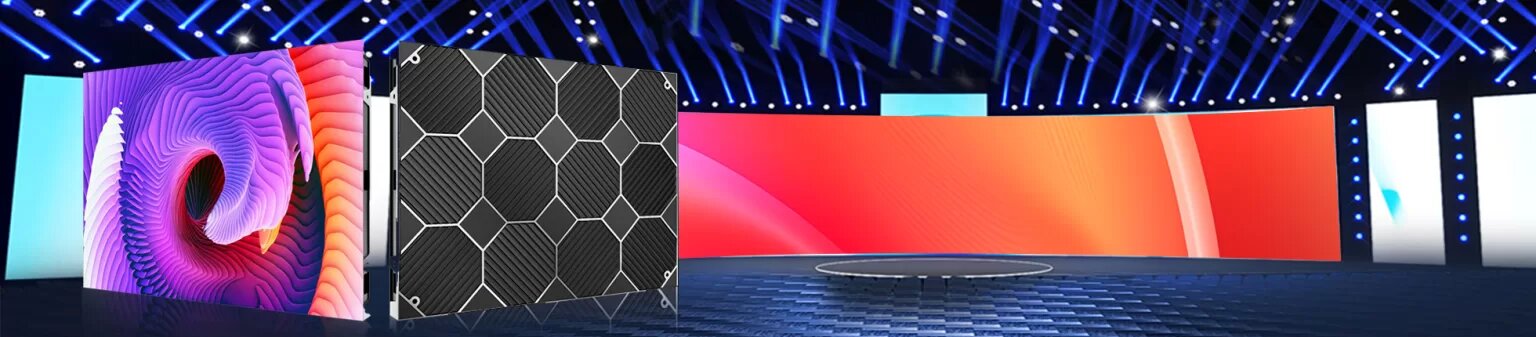
Outdoor Naked-Eye 3D LED Display Solution


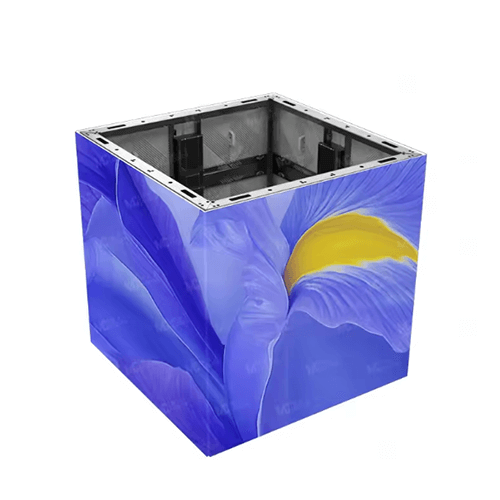
Click on the image above to Outdoor Naked-Eye 3D LED Display Solution
Outdoor Naked-Eye 3D LED Display Solution
A Complete Guide to Outdoor 3D LED Large Screens for Advertising, Shopping Malls & Urban Landmarks
Outdoor naked-eye 3D LED displays are becoming a powerful solution for DOOH advertising, shopping malls, commercial plazas, CBD landmarks, brand campaigns and urban digital landmarks.
Unlike traditional LED advertising screens, naked-eye 3D LED displays use special screen geometry, high-definition LED technology and perspective-based 3D content to create the illusion that objects are coming out of the screen or extending deep into the display.
The best part is that viewers do not need 3D glasses.

Table of Contents
- What Is an Outdoor Naked-Eye 3D LED Display?
- How Does Naked-Eye 3D LED Technology Work?
- Why Choose a 3D LED Large Screen?
- Outdoor Naked-Eye 3D LED Screen Structure
- Recommended Pixel Pitch
- Brightness and Outdoor Visibility
- 90° Corner LED Screen Design
- 3D Content Requirements
- Applications
- Installation & Maintenance
- How to Choose the Right 3D LED Screen
- FAQ
1. What Is an Outdoor Naked-Eye 3D LED Display?
An outdoor naked-eye 3D LED display is a large-format LED screen designed to create a three-dimensional visual effect without glasses or additional equipment.
A common configuration is an L-shaped or 90-degree corner screen installed on the corner of a commercial building.
The two connected LED surfaces create a visual "depth line." When specially designed 3D content is displayed, objects can appear to move outside the screen.
6
This type of installation is particularly effective in busy areas where pedestrians and vehicles naturally view the screen from a defined direction.
2. How Does Naked-Eye 3D LED Technology Work?
Naked-eye 3D does not mean that the LED modules themselves physically create a hologram.
Instead, the screen structure + viewing angle + specially produced 3D content work together to create a strong visual illusion.
The basic process is:
LED Screen Geometry → 3D Content Production → Perspective Correction → High-Definition Playback → Naked-Eye 3D Effect
For example, a product, animal, vehicle or character can be rendered so that part of the image appears to extend beyond the physical boundaries of the screen.
The strongest effect is usually achieved from a predetermined optimal viewing zone.

3. Why Choose an Outdoor 3D LED Large Screen?
High Visual Impact
A 3D LED billboard can attract significantly more attention than conventional flat advertising content.
No 3D Glasses
People can experience the visual effect directly with their eyes.
Ideal for Social Media
Interesting 3D content is highly suitable for short videos, photography and social-media sharing.
Create an Urban Landmark
Large 3D screens can turn an ordinary commercial building into a recognizable digital landmark.
Suitable for Advertising
Brands can use 3D animation to create memorable product launches, promotional campaigns and interactive visual experiences.
4. Outdoor Naked-Eye 3D LED Screen Structure
A professional outdoor 3D LED solution normally includes several key components:
- Outdoor LED modules
- LED cabinets or panels
- Receiving cards
- Sending/control system
- Video processor
- Power supplies
- Structural steel frame
- Waterproof protection
- Cooling and heat-dissipation system
- Front/rear maintenance system
- 3D content playback system
For outdoor projects, the display should also be designed to withstand rain, dust, sunlight, temperature changes and wind loads.
Many outdoor LED solutions use an IP-rated waterproof design and high-brightness LEDs. For example, outdoor 3D products on the market commonly specify IP65-class protection and brightness in the several-thousand-nit range.

5. Recommended Pixel Pitch for Outdoor 3D LED Screens
Pixel pitch should be selected according to screen size and viewing distance, rather than simply choosing the smallest pixel pitch.
| Pixel Pitch | Recommended Application |
|---|---|
| P2.5–P3 | Short viewing distance / premium applications |
| P3.9–P4 | High-end commercial advertising |
| P4–P5 | Shopping malls and commercial buildings |
| P5–P6.67 | Large outdoor 3D billboards |
| P8–P10 | Very large screens / longer viewing distances |
For a huge building-mounted 3D screen viewed from a long distance, P6.67, P8 or even P10 can sometimes be a practical choice.
For example, outdoor 3D LED solutions currently use pixel pitches ranging from approximately P2.5 to P10 depending on the project and viewing distance.

6. High Brightness for Outdoor Visibility
Outdoor LED displays need significantly higher brightness than indoor LED screens.
A 3D screen installed directly under sunlight must maintain good visibility during the daytime.
Important specifications include:
- High brightness
- High contrast
- Wide viewing angle
- High refresh rate
- Good grayscale performance
- Automatic brightness adjustment
- Efficient heat dissipation
For outdoor applications, brightness around 5,000–10,000 nits is commonly seen depending on the product, environment and design requirements.
The final brightness should be selected according to the actual installation environment rather than simply maximizing brightness.
7. 90° Corner LED Screen Design
One of the most recognizable designs for naked-eye 3D is the 90° corner LED display.
7
The corner allows the content creator to use the junction between the two LED surfaces as a visual depth reference.
Typical Structure
Screen A + 90° Corner + Screen B
The content is then rendered specifically for this physical structure.
A successful project therefore requires cooperation between:
LED display manufacturer + structural engineer + video processor supplier + 3D content production team
A corner screen can be designed with different dimensions depending on the building facade, viewing distance and advertising requirements.
8. 3D Content Is Just as Important as the LED Screen
Buying a high-quality LED screen alone does not guarantee a convincing naked-eye 3D effect.
The content must be designed specifically for the physical screen.
Important Content Requirements
- Exact screen resolution
- Correct aspect ratio
- Accurate corner position
- Correct perspective
- Appropriate viewing angle
- High contrast
- Depth and shadow effects
- Smooth animation
- Brightness optimization
For example, a giant sports car can be rendered so that its front end appears to drive toward the audience.
A whale can appear to swim out of an underwater environment.
A dinosaur can appear to extend its head and claws beyond the screen.
8
The screen geometry and the content must be designed together. Content that is not adapted to the actual screen dimensions may produce a weak or distorted 3D effect.
9. Outdoor Naked-Eye 3D LED Applications
Shopping Malls
3D LED displays can become an attraction at the entrance or exterior facade of shopping centers.
Typical content includes:
- Fashion campaigns
- New product launches
- Animated characters
- Luxury brands
- Seasonal campaigns
Commercial Plazas
Large commercial plazas are ideal locations because they normally have high pedestrian traffic.
CBD & Urban Landmarks
A large 3D LED screen can become a recognizable landmark within a city.
DOOH Advertising
Advertising agencies can use 3D LED screens for premium outdoor advertising campaigns.
Brand Launches
3D visual effects can make new product launches more memorable.
Tourism & Public Spaces
Cities can use large 3D displays for cultural content, festivals and tourism promotion.
10. Installation & Maintenance
Outdoor 3D LED screens are usually installed on building facades or large structural frames.
Before installation, the project should consider:
Structural Safety
The steel structure must be designed according to the screen's weight, wind load and building conditions.
Waterproofing
Outdoor modules and cabinets should have appropriate waterproof protection.
Power Supply
Large LED screens can require substantial electrical capacity, so the power system should be planned during the early design stage.
Heat Dissipation
Good ventilation and thermal management are important for long-term outdoor operation.
Maintenance Access
Front maintenance can be particularly useful where there is limited access behind the screen.
11. How to Choose the Right Outdoor 3D LED Screen
Before purchasing, buyers should consider these questions:
1. What Is the Screen Size?
Large screens require a different pixel pitch and structural design than small displays.
2. What Is the Average Viewing Distance?
Viewing distance is one of the most important factors when selecting pixel pitch.
3. Is a 90° Corner Required?
If you want the classic "objects coming out of the screen" effect, a corner configuration can be highly effective.
4. What Is the Local Weather?
The screen should be designed for the actual outdoor environment, including rain, humidity, temperature and wind.
5. What Content Will Be Played?
Ask the supplier whether they can provide or support professional naked-eye 3D content production.
6. How Will the Screen Be Maintained?
Front maintenance, rear maintenance or a combination should be considered before installation.
7. What Is the Viewing Area?
The main audience position should be considered when designing the 3D perspective.
Outdoor Naked-Eye 3D LED Display Solution: Recommended Configuration
For a typical commercial outdoor project, a configuration could include:
Application: Outdoor advertising / commercial plaza
Screen Type: Fixed outdoor LED display
Pixel Pitch: P4–P8 depending on viewing distance
Brightness: Approximately 5,000–10,000 nits depending on environment
Refresh Rate: 3840 Hz or higher for demanding applications
Protection: Outdoor waterproof and dust-resistant design
Structure: Flat, L-shaped or curved corner
Content: Custom naked-eye 3D animation
Control: Professional LED video processor + sending/receiving system
Maintenance: Front or rear service according to installation conditions
These are starting points rather than universal specifications; the final configuration should be calculated from the project dimensions, viewing distance, local environment and content requirements.

FAQ About Outdoor Naked-Eye 3D LED Displays
1. What is a naked-eye 3D LED display?
It is an LED display system that creates a three-dimensional visual illusion without requiring viewers to wear 3D glasses.
2. Does a 3D LED screen need special content?
Yes. The content needs to be produced according to the screen's resolution, dimensions, corner structure and intended viewing position.
3. Does the screen have to be L-shaped?
No. However, 90° corner screens are one of the most popular configurations because they provide a strong visual reference for creating depth.
4. Can outdoor 3D LED screens work in sunlight?
Yes. Outdoor models use high-brightness LEDs designed for daytime visibility. The required brightness depends on the installation environment.
5. What pixel pitch is best for outdoor 3D?
There is no single answer. P4, P5, P6.67, P8 and other pitches can be suitable depending on viewing distance and screen size.
6. Can the screen display normal 2D advertising?
Yes. A naked-eye 3D LED screen can normally display 2D advertising, videos, images and live content in addition to 3D content.
7. How long does an outdoor 3D LED screen last?
The actual service life depends on LED components, operating conditions, brightness, temperature, maintenance and usage. A professional outdoor LED system can be designed for long-term commercial operation.
8. Is a 3D LED billboard expensive?
The cost depends on screen area, pixel pitch, cabinet design, brightness, structure, control system, installation and 3D content production. A project quotation should therefore be based on the complete system rather than screen area alone.
9. Can the screen be customized?
Yes. Outdoor 3D LED displays can be customized in size, shape, pixel pitch, corner configuration, brightness, maintenance method and installation structure.
10. What information should I provide to get a quotation?
A supplier will normally need:
- Screen width and height
- Installation location
- Viewing distance
- Photos of the building
- Flat or corner installation
- Preferred pixel pitch
- Required brightness
- Content requirements
- Front/rear maintenance preference
- Local voltage and installation conditions
Conclusion
An Outdoor Naked-Eye 3D LED Display Solution combines high-brightness LED technology, professional control systems, suitable screen geometry and specially produced 3D content to create a powerful visual experience.
For shopping malls, commercial plazas, CBDs, landmark buildings and DOOH advertising, a well-designed 3D LED screen can do more than display advertising—it can become a visual landmark and a social-media attraction.
The most important point is to treat the project as a complete solution, not simply as an LED screen purchase:
Screen + Structure + Control System + 3D Content + Installation + Maintenance = Complete Outdoor 3D LED Solution.
Contact the StarOE team to provide detailed information: country location, scene, size, installation method (wall mounted installation, stage mobile and floor mounted installation), and obtain a quotation
Tel: +86 13691801582
E-mail: staroeled@163.com
Whatsapp: +86 13691801582Add: 2nd floor,Building C,Wanda Industrial Area,Shiyan Town,
Baoan District, Shenzhen, China


Copyright 2014-2026 Shenzhen StarOE Technology Co., Ltd. All Rights Reserved.